Launch guide
SAND Raiders of Sophie Steam Charts and Player Count
Use SAND Raiders of Sophie Steam Charts carefully for activity context, not official server status.
Quick Answer
SAND Raiders of Sophie Steam Charts can show activity context, but they do not prove server health, matchmaking quality, or whether a region is down. Use chart data to understand demand, then verify outages through server status, official posts, and connection-error symptoms.
Field Notes
- Data type
- Third-party activity estimate or Steam visibility context
- Not proof of
- Official server status, region health, or queue quality
- Best use
- Demand context around launch, discounts, and events
- Required note
- Timestamp every count or trend reference
Source-backed screenshots
Screenshot Walkthrough
Images are pulled from official store, support, or publisher video sources so the page shows real game evidence instead of decorative artwork.
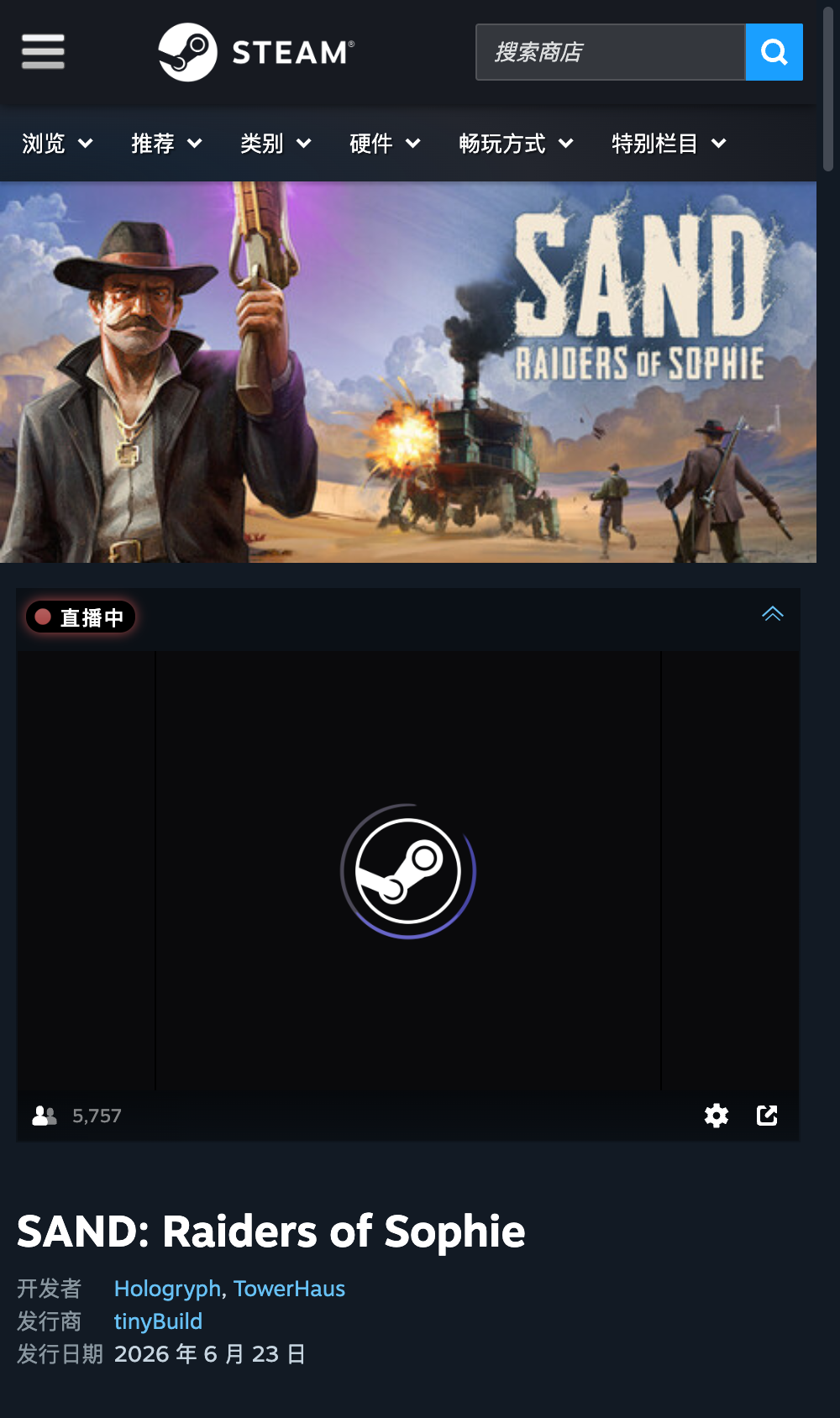
Use the official Steam page as the baseline for release date, Windows availability, Early Access wording, discount state, screenshots, and purchase buttons before trusting copied prices.
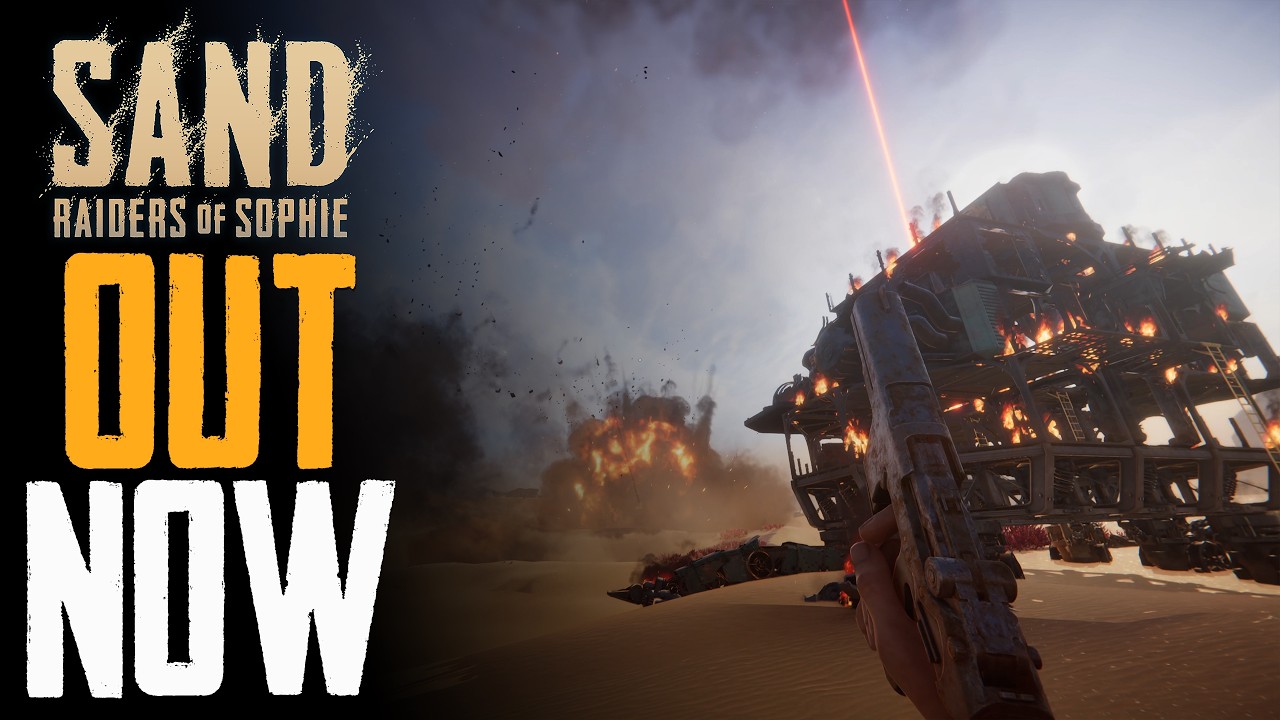
Use this launch-trailer frame when explaining current availability or historical event searches. It anchors the page in official publisher media instead of generic key art.
Keyword fit and page role
SAND Raiders of Sophie Steam Charts is the primary keyword for this page because the searcher is trying to make a specific decision, not browse a broad wiki. The page uses SAND Raiders of Sophie Steam Charts in the title, quick answer, verification flow, FAQ, source notes, and internal links so the phrase stays clear without turning the article into repeated filler.
For SAND Raiders of Sophie Steam Charts, the player usually wants to verify access, price, platform status, or a current launch-week claim before opening Steam, Xbox, PlayStation, or a support thread. The useful SEO target is not raw repetition; it is a page that answers the query, shows official evidence, and gives the player a next action. Keeping SAND Raiders of Sophie Steam Charts visible above the fold also helps Google and players understand that the page is about the exact search they typed.
What the screenshot proves
The screenshot on this SAND Raiders of Sophie Steam Charts page is not decorative. It shows the official source a player should check first, then the written guide explains what can and cannot be concluded from that source. That matters because launch searches often recycle old playtest wording, regional screenshots, or store pages that changed after Early Access began.
Use the image as a verification anchor: match the title, publisher, store domain, release wording, and platform labels before trusting any summary. If the screenshot and the current official page disagree, update the article instead of preserving an outdated claim for keyword reasons.
How to verify the current answer
Start with the official store or publisher page tied to the question, then compare it with Steam news, the tinyBuild FAQ, and the official video channel if timing or event language is involved. For SAND Raiders of Sophie Steam Charts, a claim is strong only when the store page and publisher wording point in the same direction.
Do not use comments, key shops, scraped release calendars, or AI summaries as the deciding source. Those can help you spot a question worth checking, but they should not be the proof shown to players. The goal is to give someone a safe path they can repeat in under a minute.
When the answer changes
Steam Charts pages are useful only when they explain what chart data can and cannot prove. If the store wording, price, platform badge, or event status changes, the top answer should change immediately and the old condition should move into a short historical note. Keeping old launch text in the main answer is exactly what makes a guide feel untrustworthy.
For pages like this, update discipline is part of the content. A small timestamp, a source link, and a screenshot caption do more for trust than another paragraph of generic description. Players searching SAND Raiders of Sophie Steam Charts are trying to avoid bad purchases, fake keys, expired playtests, or wasted troubleshooting.
What to do after checking
After the player verifies SAND Raiders of Sophie Steam Charts, send them to the next practical page instead of leaving them at a dead end. Platform and price pages should link to server status and beginner extraction. Server and player-count pages should link to connection-error fixes. Release and playtest pages should link to current availability and safe download guidance.
This internal linking pattern mirrors the real player journey: confirm whether the game is playable, confirm where to play, check whether services are healthy, then learn how to extract and protect the Trampler. That is how the site becomes a guide instead of a pile of isolated SEO pages.
Steps
- 1Use Steam Charts or SteamDB-style tools as activity context only.
- 2Record the timestamp if you mention a player-count snapshot.
- 3Compare chart spikes with server-status and connection-error reports.
- 4Avoid calling a chart dip an outage without official or player symptom evidence.
- 5Send players to player-count and servers pages for broader context.
Common Mistakes
- Calling chart activity official server capacity.
- Using a low count to claim the game is dead without source context.
- Using a high count to claim matchmaking is healthy.
- Publishing chart numbers without timestamp or tool name.
Official Sources
Update Policy
- Use official store, support, and publisher pages before copying claims from community posts or third-party store mirrors.
- Early Access details can change after patches, discounts, regional store updates, or server announcements, so every factual page needs a visible review date.
- Steam Charts and similar tools are useful context for activity, but they are not official server-health or matchmaking-capacity sources.
Add exact chart tool names and observation timestamps whenever a live number is published.
FAQ
Are SAND Raiders of Sophie Steam Charts official?
No. Treat them as activity context and verify server problems through official channels and current symptoms.
Can Steam Charts explain queues?
They can suggest demand, but queues also depend on regions, matchmaking capacity, maintenance, and local connection conditions.