Launch guide
SAND Raiders of Sophie Mechanical Parts Guide
Learn how to handle Mechanical Parts, route risk, Trampler repair priorities, storage protection, and extraction timing in SAND Raiders of Sophie.
Quick Answer
SAND Raiders of Sophie Mechanical Parts should be treated as run-value materials, not random junk. If you find Mechanical Parts during an early raid, protect storage, shorten risky route extensions, and decide whether the parts are needed for repair, Trampler upgrades, or a safe extraction goal. SAND Raiders of Sophie Mechanical Parts are most useful when they survive the raid and support the next Trampler improvement.
Field Notes
- Primary use
- Repair support, Trampler improvement, and early progression value
- Best beginner rule
- Protect the parts and leave before greed takes over
- Screenshot need
- Verified item and route captures before exact farm maps
- Companion pages
- How to Extract, Repair Trampler, and Map
Source-backed screenshots
Screenshot Walkthrough
Images are pulled from official store, support, or publisher video sources so the page shows real game evidence instead of decorative artwork.
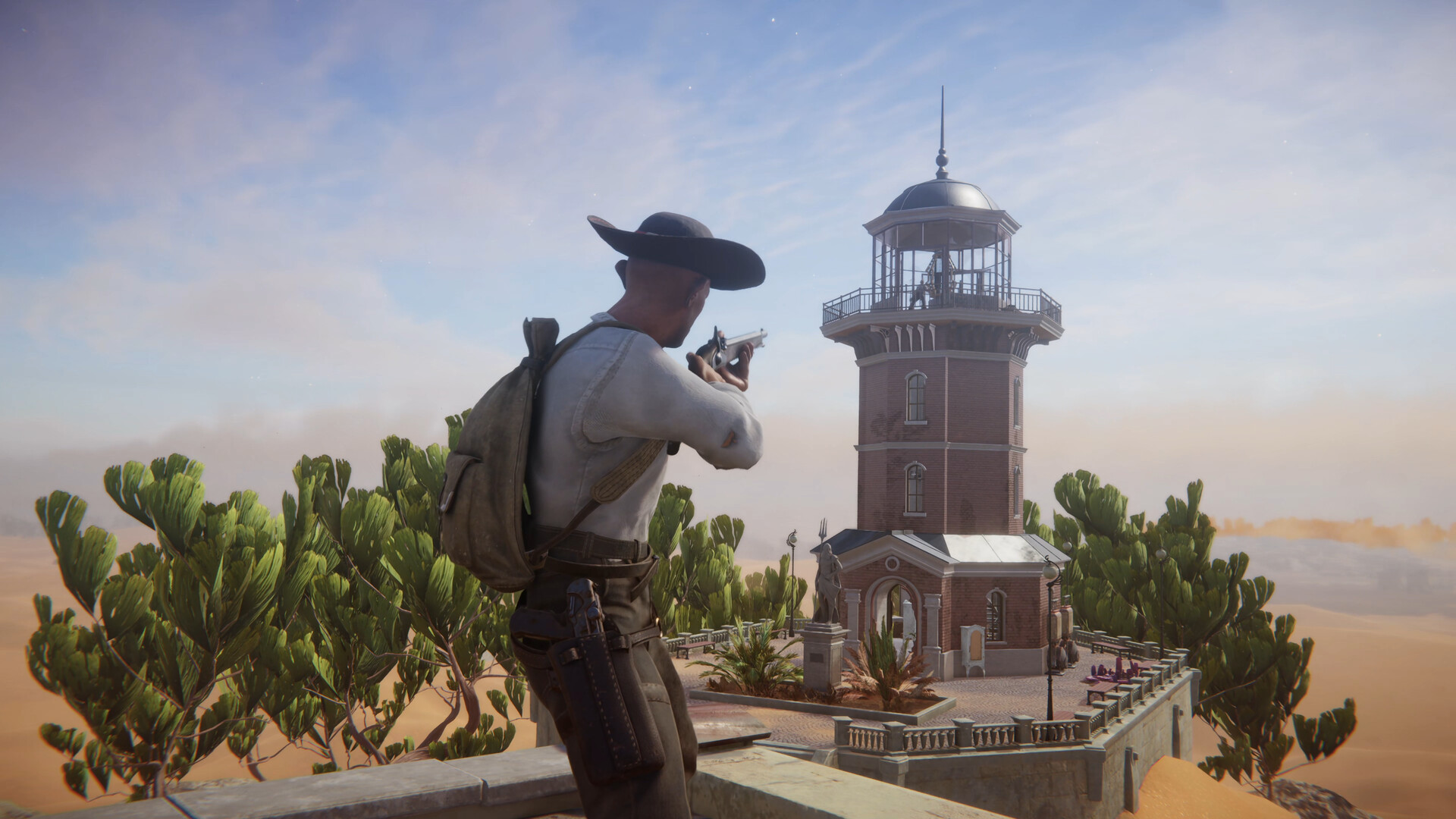
Ruins and dense landmarks are useful loot targets, but they also create ambush and parking risk. This image supports route-planning and extraction advice.
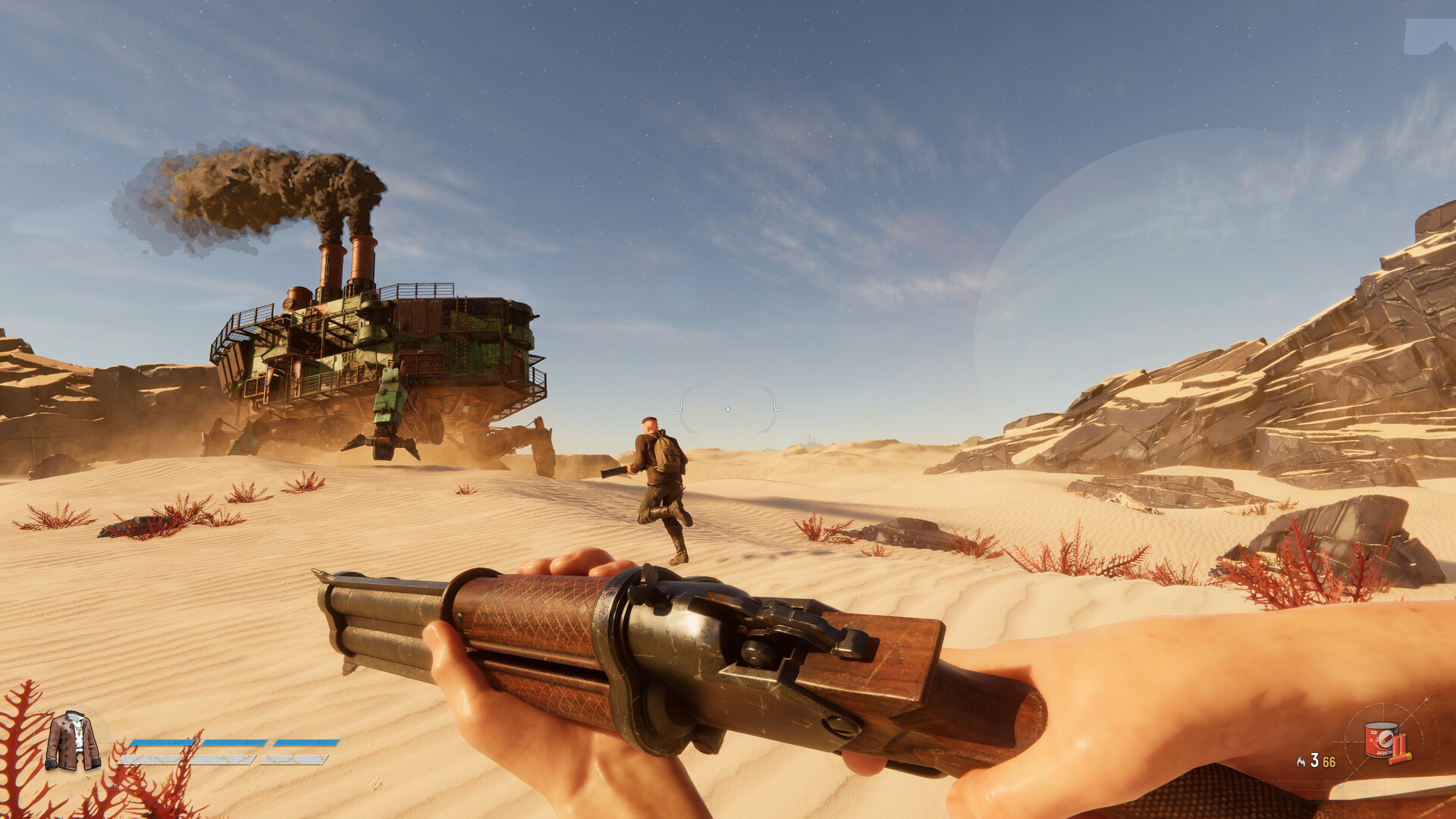
Use this Trampler layout image when explaining protected cores, firing angles, storage placement, and why pretty builds are not always survivable.
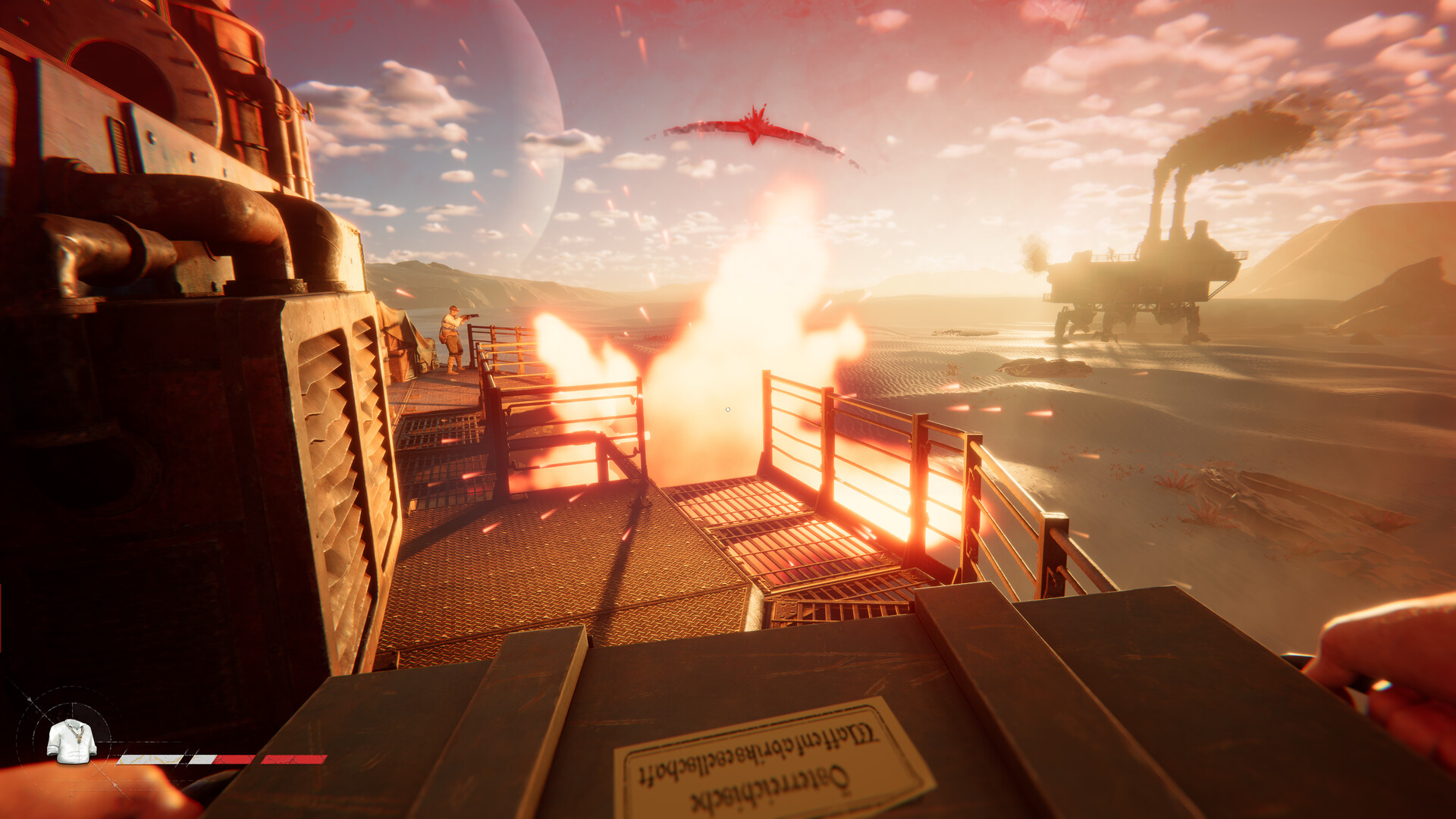
This pressure image is a reminder that extraction is a timing decision. A profitable raid can still fail if the crew waits until every route is contested.
Keyword fit and page role
SAND Raiders of Sophie Mechanical Parts is the primary keyword for this page because the searcher is trying to make a specific decision, not browse a broad wiki. The page uses SAND Raiders of Sophie Mechanical Parts in the title, quick answer, verification flow, FAQ, source notes, and internal links so the phrase stays clear without turning the article into repeated filler.
For SAND Raiders of Sophie Mechanical Parts, the searcher wants a playable route, build habit, or decision rule they can use in the next raid. The useful SEO target is not raw repetition; it is a page that answers the query, shows official evidence, and gives the player a next action. Keeping SAND Raiders of Sophie Mechanical Parts visible above the fold also helps Google and players understand that the page is about the exact search they typed.
Read the screenshot before the checklist
The official gameplay screenshot is included because SAND Raiders of Sophie Mechanical Parts needs visual context. SAND is not a normal corridor shooter; the large Trampler, open terrain, exposed modules, and long route decisions change what beginner advice means. The screenshot lets the page point at real terrain, movement, or build pressure instead of describing an abstract system.
The ruins and Trampler screenshots show why Mechanical Parts need route context. Materials only matter if the crew can carry them, protect them, and leave before the Trampler loses movement or storage safety. When the image shows a walker, ruins, or combat pressure, treat it as a planning prompt: where can you turn, what module is exposed, what path lets you leave, and what mistake would make extraction harder? The written guide should teach that reading process.
The practical rule
Treat Mechanical Parts as a checkpoint. Once the crew finds enough value for repair or upgrade goals, reassess fuel, damage, route pressure, and extraction distance before searching another landmark. A good guide should give players a decision rule they can apply without memorizing a wiki table. In SAND, that usually means deciding before the run what success looks like, what loss is acceptable, and what condition forces the crew to leave.
If the rule cannot be used while under pressure, it is not specific enough. Replace vague advice like "be careful" with checks such as fuel state, storage value, escape angle, module damage, enemy contact, and whether the Trampler can still rotate out of danger.
How competitors handle this intent
Strong extraction-game guides for titles like ARC Raiders, Escape from Tarkov, Dune: Awakening, and Last Oasis usually pair each key decision with a map, UI shot, route image, or build example. They succeed because the player can compare the guide against what they see in game. This page follows that pattern with official SAND screenshots and direct source labels.
The weak version of this page would be a long essay about "survival" and "teamwork". The useful version tells the player where to look, when to leave, what to protect, and which mistake costs the run. That is the standard every SAND Raiders of Sophie gameplay page should meet.
How to improve with your own screenshots
The current screenshots are official store and video assets, which are safe for the first version because they are real and source-backed. The next upgrade is to replace or supplement them with captured in-game screenshots: map route, extraction prompt, fuel state, Trampler editor, storage module, damage state, and post-run result screen.
When adding user-captured images later, keep the same rule: every image must solve a problem. A screenshot should show where to click, what warning to notice, what module to protect, or what route choice to make. If it only makes the page look busy, remove it.
Mechanical Parts priority logic
Early players should decide why they need SAND Raiders of Sophie Mechanical Parts before the raid. If the goal is repair security, the crew should value a modest haul and leave safely. If the goal is a Trampler upgrade, storage protection matters more than one extra fight. If the goal is money, compare Mechanical Parts against other loot and ask which item changes progression fastest.
Do not publish exact farming spots until you can verify them with real captures. A useful first Mechanical Parts page can still be strong by teaching route discipline: target safer ruins first, keep the Trampler pointed toward exit lanes, stop after a meaningful material pickup, and avoid turning a good parts run into a storage-loss story.
Solo and crew handling
Solo players should treat SAND Raiders of Sophie Mechanical Parts as a reason to simplify the rest of the run. Put the parts in protected storage, avoid noisy detours, and extract if fuel, damage, or player-count pressure makes the route uncertain. A solo player cannot drive, repair, scout, and fight long enough to defend every greed decision.
Small crews can push one extra stop only if roles are clear. The driver keeps the exit angle open, the repair player watches module damage, and the loot caller decides whether SAND Raiders of Sophie Mechanical Parts already satisfy the run. If nobody owns the extraction call, the crew usually leaves too late.
Search wording and player intent
Players search SAND Raiders of Sophie Mechanical Parts because they are usually stuck in a live raid, not because they want a lore article. The page keeps SAND Raiders of Sophie Mechanical Parts visible because the phrase matches a real problem: where materials fit into repair, storage, upgrades, route discipline, and the decision to stop farming after a valuable pickup.
A useful SAND Raiders of Sophie Mechanical Parts answer should be short enough to act on, but detailed enough to prevent the next mistake. That is why this SAND Raiders of Sophie Mechanical Parts guide pairs creator research, official screenshots, role checks, and extraction rules instead of giving one vague sentence.
Screenshot checklist and proof standard
SAND Raiders of Sophie Mechanical Parts should use screenshots as proof, not decoration. Every screenshot on the SAND Raiders of Sophie Mechanical Parts page should answer one concrete question: what source was checked, what route or module is visible, what warning should the player notice, or what decision changes after seeing the image. If a screenshot cannot make the SAND Raiders of Sophie Mechanical Parts advice more specific, it should be replaced with one that can.
For this SAND Raiders of Sophie Mechanical Parts page, the first version uses official Steam, Xbox, PlayStation, tinyBuild, or official video assets because they are real, source-backed, and safe to cite while the site is still building its own capture library. The next version should add player-captured images only when the capture shows a readable UI state, route, item, Trampler part, or extraction moment.
Page update standard from the Semrush plan
The Semrush plan treats SAND Raiders of Sophie Mechanical Parts as a living page, not a one-time article. Review SAND Raiders of Sophie Mechanical Parts after Steam store changes, official FAQ edits, patch notes, server events, or new player-question spikes. If the answer changes, update the quick answer, screenshot caption, facts, FAQ, and related links together so the SAND Raiders of Sophie Mechanical Parts page stays internally consistent.
The content target for SAND Raiders of Sophie Mechanical Parts is practical depth: answer the query in the first screen, show source-backed evidence, give steps, list mistakes, and point the reader to the next guide. This is how SAND Raiders of Sophie Mechanical Parts competes against broad gaming sites: it solves the exact player task with more useful detail than a generic news paragraph.
YouTube and player-question research
Creator & Player Research
These videos helped identify what players search for after the first run. The guide below turns those questions into a written checklist instead of copying video content.
Steps
- 1Set a parts goal before deployment so the crew knows when the run is already successful.
- 2Search safer ruins and route-adjacent loot first instead of crossing the map for unverified spots.
- 3Move Mechanical Parts into protected storage as soon as possible.
- 4Check fuel, movement damage, storage exposure, and extraction distance after each meaningful pickup.
- 5Use Mechanical Parts for repair or upgrade goals before chasing optional combat.
- 6Extract when the parts already satisfy the plan or when route pressure starts rising.
Common Mistakes
- Continuing to farm after finding enough Mechanical Parts for the goal.
- Publishing exact locations without verified screenshots.
- Leaving materials in exposed storage during a noisy route.
- Using Mechanical Parts as an excuse to chase fights instead of extracting value.
Official Sources
Update Policy
- Use official store, support, and publisher pages before copying claims from community posts or third-party store mirrors.
- Early Access details can change after patches, discounts, regional store updates, or server announcements, so every factual page needs a visible review date.
- Steam Charts and similar tools are useful context for activity, but they are not official server-health or matchmaking-capacity sources.
Add exact item UI and location screenshots only after verified in-game captures are available.
FAQ
Where do I find SAND Raiders of Sophie Mechanical Parts?
Use safer route-adjacent loot first and avoid trusting exact farm claims until they are backed by real screenshots or official evidence.
Should I extract after finding Mechanical Parts?
If the parts satisfy your repair, upgrade, or money goal, extracting is usually smarter than adding a risky stop.
Are Mechanical Parts more important than weapons?
Early on, Mechanical Parts can matter more because they support repair, storage safety, and Trampler progression. Firepower does not help if the walker cannot leave.
Can solo players farm Mechanical Parts safely?
Yes, but solo players should keep routes short, protect storage, and avoid contested detours after a useful pickup.
Why does this SAND Raiders of Sophie Mechanical Parts page use screenshots?
SAND Raiders of Sophie Mechanical Parts needs screenshots because players should be able to compare the guide with a real store page, source page, gameplay frame, route, or Trampler state instead of trusting unsupported text.
How should I use this SAND Raiders of Sophie Mechanical Parts guide during a raid or launch check?
Use SAND Raiders of Sophie Mechanical Parts as a decision checklist: read the quick answer, check the screenshots and official sources, follow the steps, then move to the related page that matches your next problem.